

Dubai gold sees Dh4 decline as global prices retreat
Silver, platinum and palladium track broader commodity weakness
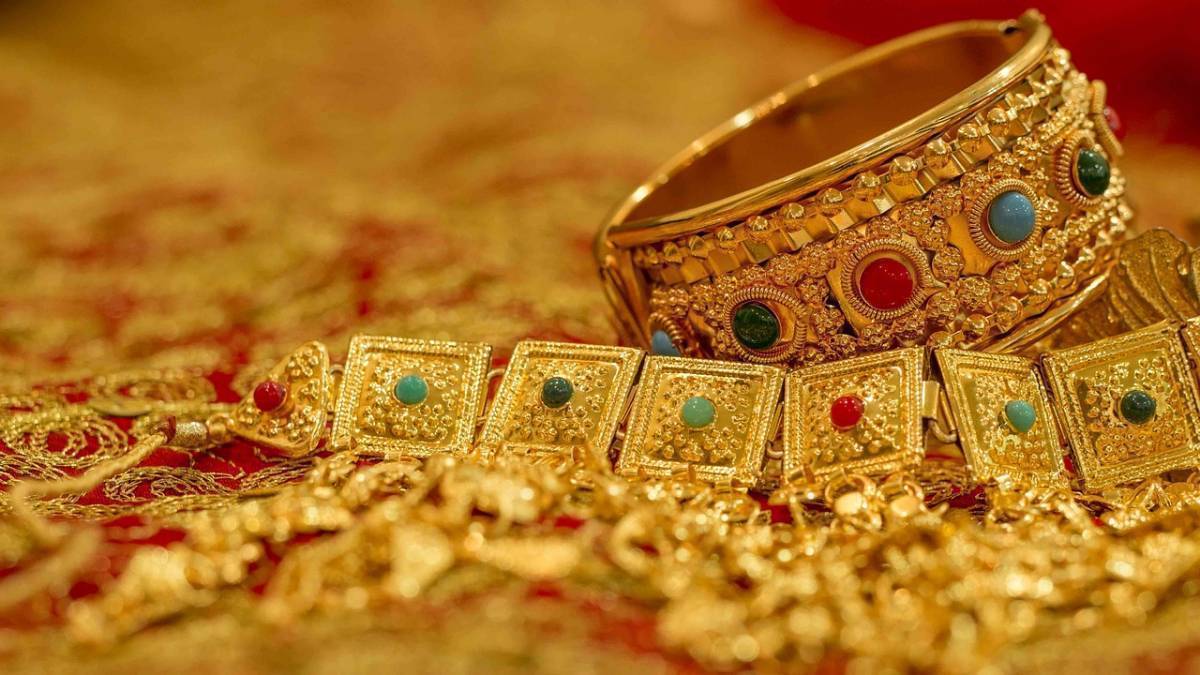
DUBAI – Dubai’s gold market opened Friday with lower retail prices across all major categories, extending a pullback that has emerged after a volatile week in international bullion trading.
The emirate remains one of the world's most closely watched retail gold hubs, with prices closely reflecting movements in global markets while continuing to attract shoppers, investors and tourists.
The latest rates published by the Dubai Jewellery Group show declines across 24K, 22K, 21K, 18K and 14K gold compared with the previous trading session.
Dubai gold rates
According to the Dubai Jewellery Group, 24K gold was priced at Dh535.75 per gram on Friday, while 22K stood at Dh496.00, 21K at Dh475.50, 18K at Dh407.75 and 14K at Dh318.00.
The latest rates mark a decline from Thursday, when 24K gold was trading at Dh539.75 per gram. Wednesday's rate was Dh538.50, while Tuesday recorded one of the week's highest levels at Dh544.25. On Monday, 24K gold stood at Dh544.00 per gram. Compared with Tuesday's peak, Friday's 24K rate is lower by Dh8.50 per gram.
The downward trend was visible across all categories. The 22K rate eased from Dh504.00 on Tuesday to Dh496.00 on Friday, while 21K fell from Dh483.25 to Dh475.50 over the same period. Similar declines were recorded for 18K and 14K gold.
Global markets
International gold prices also moved lower on Friday. Spot gold slipped 0.6% to $4,445.51 per ounce, while US gold futures for August delivery fell 0.7% to $4,471.70. The precious metal is heading for a weekly loss of around 2 percent.
Market sentiment has been influenced by developments in the Middle East, particularly uncertainty surrounding efforts to reduce tensions involving Iran and its regional allies. Concerns over inflation and the possibility of higher US interest rates have also weighed on bullion prices. Higher rates typically reduce the appeal of non-yielding assets such as gold, while a stronger dollar can add further pressure.
Investors are also monitoring developments around the Strait of Hormuz, a critical route for global oil shipments. Any disruption to regional stability has the potential to influence both energy markets and inflation expectations worldwide. Attention remains focused on US economic data, particularly employment figures, which could shape future Federal Reserve policy decisions.
Physical demand across major Asian markets remained subdued during the week. In India, domestic gold prices were trading near 158,400 rupees per 10 grams, but jewellery demand softened as buyers reacted to volatile international prices. The country's wedding season is nearing its end, contributing to lower retail activity, while higher import tariffs on gold and silver continue to influence purchasing patterns.
In China, premiums eased to between $7 and $10 per ounce above international benchmark prices, down from the previous week's levels. Market participants cited caution linked to interest rate expectations and rising bond yields. Elsewhere, gold traded at par to premiums of $2 in Hong Kong, while Singapore and Japan recorded narrower premiums and discounts.
Other precious metals
Silver also came under pressure, falling 2% to $72.36 per ounce. Platinum declined 1% to $1,880.40, while palladium dropped 1.7% to $1,298.49.
All major precious metals were on track for weekly losses as investors reassessed inflation risks, monetary policy expectations and geopolitical developments.